
Module 3 - Preparing Community Sites for Long-Term bsAb Integration
Chief, Division of Blood Disorders, Rutgers Cancer Institute
Professor of Medicine, Rutgers Robert Wood Johnson Medical School
New Brunswick, NJ
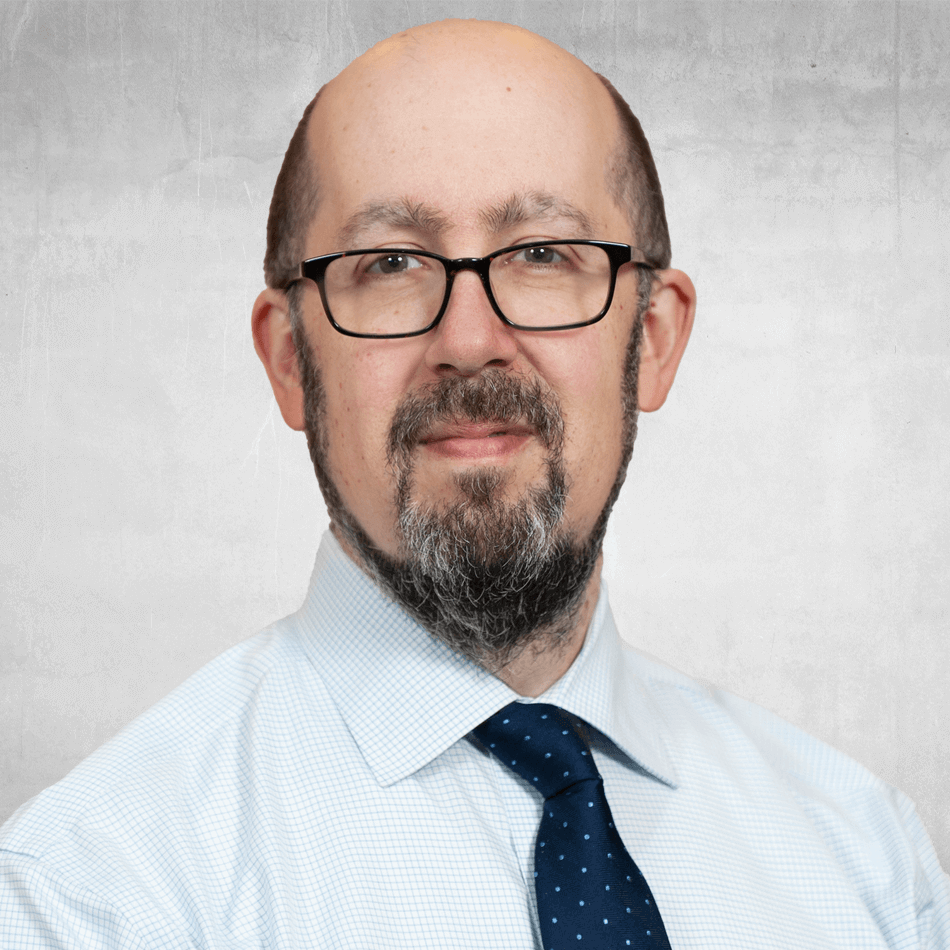 Mattew Matasar, MD is Chief of the Division of Blood Disorders at Rutgers Cancer Institute, and Professor of Medicine at Rutgers Robert Wood Johnson Medical School in New Brunswick, New Jersey.
Dr. Matasar graduated from Harvard College and then Harvard Medical School. He moved to New York to train in medicine at what was then Columbia-Presbyterian Medical Center. After completing his training in internal medicine, and staying on as a Chief Resident while completing a Master's degree at the Mailman School of Public Health, he joined Memorial Sloan Kettering Cancer Center to pursue advanced training in cancer medicine.
Clinical Director of Multiple Myeloma, Rutgers Cancer Institute
Assistant Professor of Medicine, Rutgers Robert Wood Johnson Medical School
New Brunswick, NJ
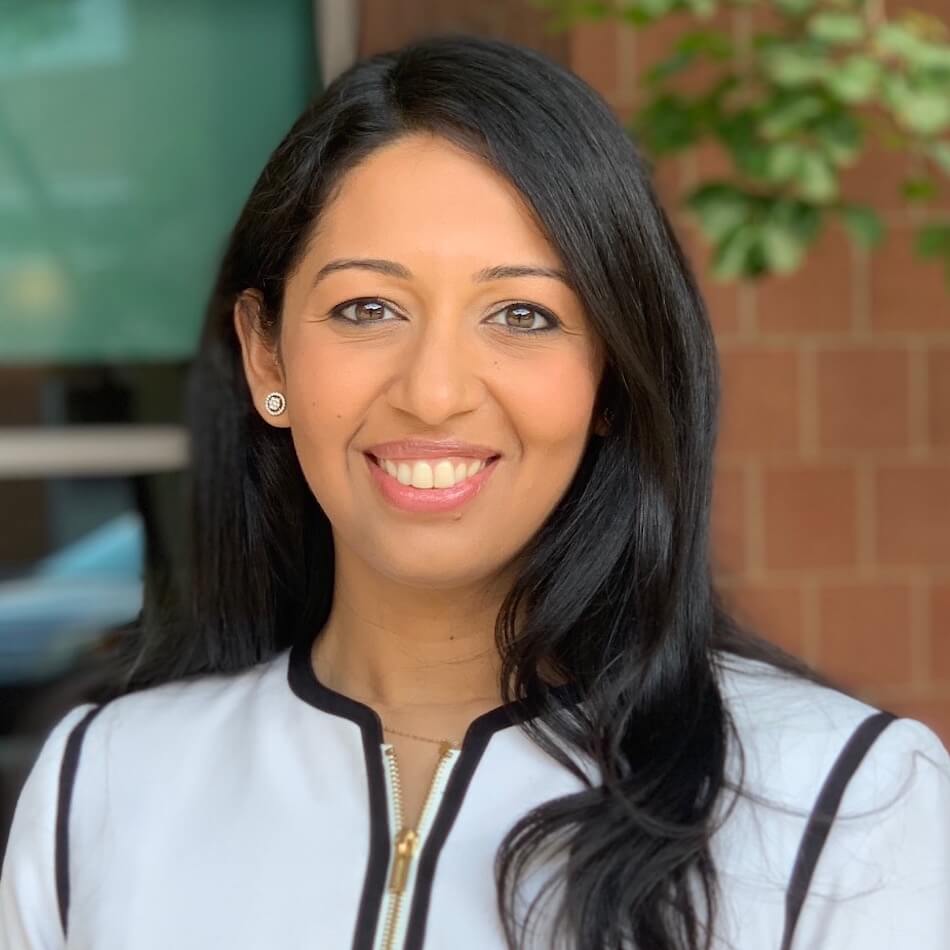 Mansi R. Shah, MD is a hematologist/oncologist at Rutgers Cancer Institute specializing in plasma cell disorders, leukemias, and bone marrow disorders. She is an expert in multiple myeloma and provides patients with access to novel therapies and clinical trials.
As a hematologist/oncologist, Dr. Shah is an advocate for her patients by not only helping them understand their diagnosis and treatment options but also by providing support and guidance.


